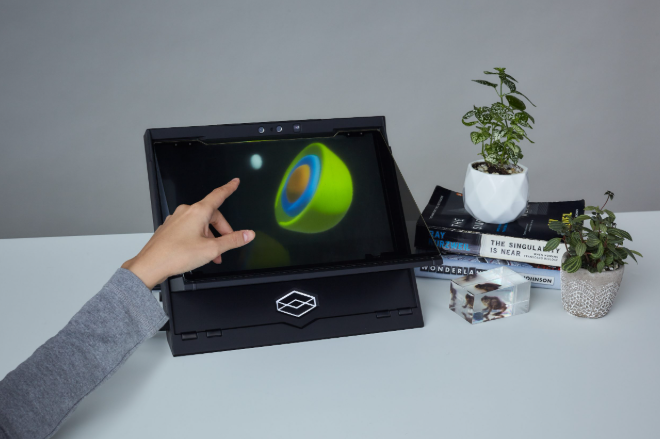

3D interfaces reframe how users manipulate digital systems by adding spatial affordances and tangible feedback. They promise more intuitive data visualization, faster task completion, and richer user agency. Yet empirical assessments of usability, learnability, and accessibility remain essential to validate gains across diverse users and contexts. What patterns emerge in real tasks as depth cues and haptics shape interaction mappings, and where do ethical and hardware constraints temper productivity? The next evidence may redefine expectations.
How 3D Interfaces Change Our Interaction
3D interfaces reshape how users interact with digital systems by replacing flat, static controls with spatially organized, manipulable elements. These changes prompt empirical assessments of usability, learnability, and satisfaction, guiding users toward more intuitive agency. Observers note data ethics considerations and how hardware evolution shapes interaction dynamics, ensuring freedom through accessible, accountable experiences that evolve with user needs and technological progress.
See also: italytribune
Visualizing Data in Depth: Beyond Flat Screens
Visualizing data in depth requires moving beyond conventional displays to harness spatial cues, depth perception, and interactive manipulation that 3D interfaces can offer.
Empirically, users report improved visualization accuracy and data immersion when interaction mapping aligns with task goals.
Spatial analytics benefit from intuitive exploration, enabling evaluators to compare structures, validate hypotheses, and promote freedom to test alternative perspectives without cognitive overload.
Haptics, Motion, and Immersion: The Productivity Boost
Haptics, motion, and immersion drive measurable productivity gains by aligning interface feedback with user actions and task goals. Studies indicate haptics integration reinforces task alignment, reducing error rates and search time while increasing perceived control.
Motion ergonomics lowers fatigue and sustains concentration during complex workflows. Evaluations emphasize user-centered benefits, suggesting immersive cues support consistent performance without overloading cognitive load. Freedom-friendly, evaluative clarity guides implementation.
Designing for Accessibility in 3D Environments
Emphasis on design ergonomics ensures comfortable interaction across users and devices. Compliance with accessibility guidelines guides feature inclusion, while freedom-focused wording supports inclusive exploration and autonomy without sacrificing rigor or measurable outcomes.
Frequently Asked Questions
What Are the Ethical Implications of 3D Interface Bias?
3D interface bias raises ethical concerns about fairness and representation, potentially compromising equity. Transparency around bias mechanisms is essential, enabling scrutiny. This promotes user autonomy, guiding evaluative decisions and empowering users to freely participate in technology design and use.
How Do 3D Interfaces Affect Cognitive Load Long-Term?
3D interfaces subtly ease and strain cognitive load over time, as implicit cues shape understanding memory and measuring attention; evaluations show users adapt, yet complexity can quietly elevate effort, suggesting design should balance clarity with exploratory freedom.
Can 3D Interfaces Enhance Accessibility for Neurodivergent Users?
3D accessibility appears feasible, with Neurodivergent design benefiting from flexible input, tailored visuals, and multimodal cues; 3D interfaces can reduce cognitive strain when designed for cognitive ergonomics, though evaluative evidence remains context-dependent. Freedom-oriented user-centered evaluation supports cautious optimism.
What Are Best Practices for Cross-Platform 3D UI Consistency?
Consistency guidelines emerge from cross platform testing; the answer outlines measurable standards and evaluation. The study notes how uniform controls, visuals, and interactions support user autonomy, with cautious, empirical judgments about efficiency, accessibility, and freedom across devices.
How Will 3D Interfaces Scale in Quantum or Edge Computing?
3D navigation is likely to scale with quantum and edge computing, enabling richer spatial workflows; HCI immersion may improve efficiency, though variability in hardware raises evaluative concerns. The user-centered view favors adaptable interfaces supporting freedom and tolerance for latency.
Conclusion
3D interfaces offer tangible benefits: clearer mappings, richer data perspectives, and more intuitive manipulation, all driving potential productivity gains. Yet skeptics fear complexity or motion sickness. Our evaluative, user-centered lens finds that well-structured 3D controls reduce cognitive load, with careful onboarding and accessible motion cues mitigating discomfort. When designers foreground tasks, calibrate depth, and provide opt-out alternatives, users can experience meaningful efficiency and engagement without forfeiting clarity or inclusion. Overall, the benefits merit disciplined, evidence-driven adoption.


 By
By